

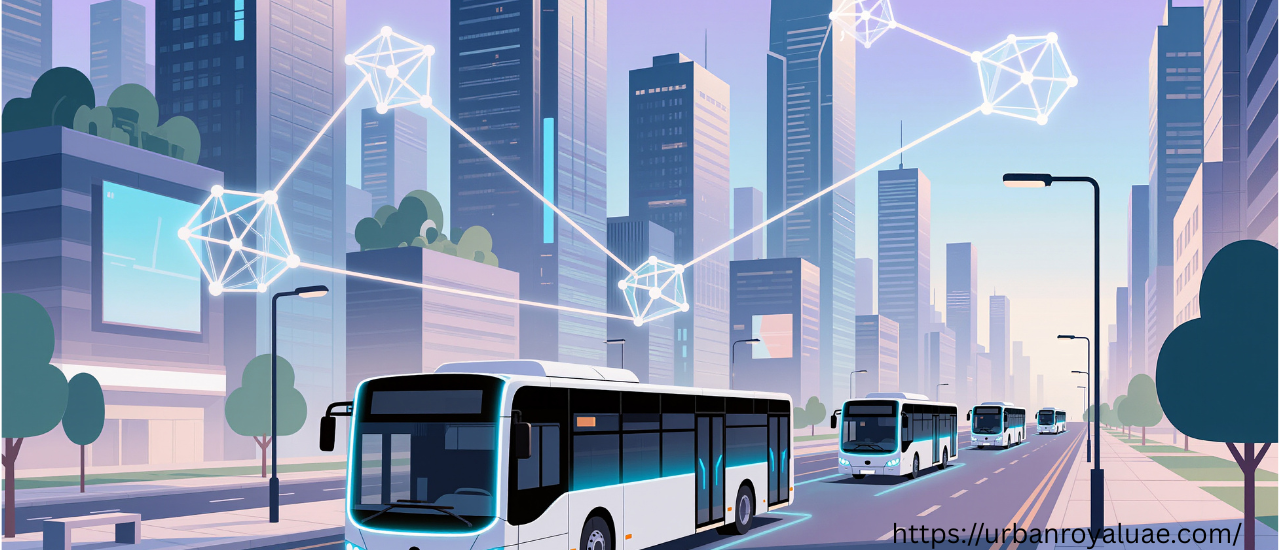
Cities are growing fast. With rising populations, traffic issues, housing pressure, and climate risks, traditional planning methods are no longer enough. This is where AI in urban planning is changing the way cities are designed, managed, and improved.
Artificial intelligence helps planners use data more effectively. It supports better decision-making, saves time, and helps make cities more livable for people.
What Is AI in Urban Planning?
AI in urban planning means using artificial intelligence tools to analyze city data and support planning decisions.
These tools can study traffic patterns, population growth, land use, energy needs, and environmental risks. Instead of relying only on past reports or manual surveys, planners can now predict future outcomes using real-time data.
In simple terms, AI helps cities plan ahead rather than react late.
How AI in Urban Planning Works?
AI systems collect data from many sources, such as:
- Traffic sensors
- Satellite images
- Mobile devices
- Public transport systems
- Utility networks
This data is processed using machine learning models. These models find patterns, predict problems, and suggest solutions. Urban planners then use these insights to design better roads, housing zones, public spaces, and infrastructure.
Key Uses of AI in Urban Planning
Smart Traffic and Mobility Planning
Traffic congestion is a major urban problem. AI helps cities manage it better.
By analyzing traffic flow and travel behavior, AI can:
- Optimize traffic signals
- Predict congestion before it happens.
- Improve public transport routes.
- Support electric and autonomous vehicle planning.
This results in shorter travel times and lower emissions.
Better Land Use and Zoning
AI in urban planning helps planners understand how land is being used and how it should be used in the future.
AI models can:
- Identify underused areas
- Suggest mixed-use developments
- Balance residential, commercial, and green spaces.
- Reduce urban sprawl
This creates more organized and efficient cities.
Sustainable City Development
Sustainability is a big goal for modern cities. AI supports this by analyzing environmental data.
With AI, planners can:
- Monitor air quality
- Plan energy-efficient buildings
- Reduce waste and water usage.
- Design climate-resilient infrastructure
AI helps cities grow without damaging the environment.
Housing and Population Planning
AI in urban planning helps predict population growth and housing demand.
This allows cities to:
- Plan affordable housing projects
- Avoid housing shortages
- Improve access to schools, hospitals, and jobs
Better planning means better quality of life.
Disaster Risk and Climate Planning
AI tools can analyze climate data and predict risks such as floods, heatwaves, and earthquakes.
Urban planners use this data to:
- Design safer buildings
- Improve emergency response plans.
- Protect high-risk areas
- Reduce long-term damage
This makes cities safer for residents.
Real-World Examples of AI in Urban Planning
Many cities are already using AI successfully.
- Singapore uses AI to manage traffic, energy use, and urban growth.
- Barcelona applies AI for smart lighting, waste management, and mobility.
- Dubai uses AI in smart city initiatives, urban planning, and infrastructure monitoring.
These examples show that AI is no longer a future idea. It’s already shaping cities.
Benefits of AI in Urban Planning
Using AI in urban planning offers clear advantages:
- Faster and more accurate decisions
- Reduced planning costs
- Better use of resources
- Improved public services
- Data-driven long-term strategies
AI helps planners focus on people, not just maps and numbers.
Challenges and Limitations
AI is powerful, but it’s not perfect.
Some challenges include:
- Data privacy concerns
- High setup costs
- Need for skilled professionals.
- Bias in data or algorithms
This is why human oversight is still essential. AI should support planners, not replace them.
The Future of AI in Urban Planning
The role of AI in urban planning will continue to grow.
In the future, we can expect:
- More real-time planning decisions
- Digital twins of cities
- Better citizen engagement through AI tools
- Smarter climate and energy planning
Cities that adopt AI early will be more prepared for future challenges.
What This Means for Urban Planners and Investors?
For urban planners, AI offers more effective tools for designing efficient, people-focused cities.
For investors and developers, AI-driven planning reduces risk. It helps identify high-potential locations, future growth zones, and infrastructure needs before problems arise.
AI makes urban development more predictable and smarter.
Wrapping Up
AI in urban planning is reshaping how cities grow, move, and function. It helps solve real problems using data, not guesswork.
As cities face rising populations and climate pressure, AI will play a key role in building smarter, safer, and more sustainable urban spaces. The cities of tomorrow are already being planned today, with the help of artificial intelligence.
Frequently Asked Questions
How does AI help urban planning?
AI helps urban planning by analyzing large data sets, predicting future needs, and supporting better planning decisions for traffic, housing, sustainability, and infrastructure.
Is AI replacing urban planners?
No. AI supports urban planners by providing insights. Human expertise is still needed to make final decisions and consider social factors.
Can AI improve sustainability in cities?
Yes. AI helps reduce energy use, manage resources, lower emissions, and plan climate-friendly cities.
Is AI in urban planning expensive?
Initial setup can be costly, but long-term savings are significant due to better planning and reduced mistakes.
Which cities are using AI in urban planning?
Cities like Singapore, Dubai, Barcelona, and Amsterdam are already using AI in various urban planning projects.