
Dubai’s real estate market continues to stand out as one of the world’s most resilient and high-performing property markets. As we enter 2026, investors seeking strong returns are closely monitoring how supply and demand dynamics, price trends, and rental yields will shape opportunities. After several years of exceptional growth, the market is entering a maturing phase with structured expansion, making it a compelling environment for both first-time and experienced investors.
This guide explores the Dubai property market forecast for 2026, covering price trends, rental yields, new supply, financing, and investment opportunities, with a focus on areas such as Dubai Creek Harbour, Palm Jumeirah, and Dubai Hills.
Dubai Property Market Forecast (2025 Performance)
In the first half of 2025, Dubai’s residential real estate market demonstrated remarkable resilience and robust growth:
- Apartment prices increased by 15-20% year-on-year.
- Villa prices Rose by 20 to 29% year-on-year.
- Prime villa communities recorded growth exceeding 40%
- Average rental yields are 7 to 9% gross.
- Transaction volume is at historic highs.
- Foreign investment reached record levels.
Dubai’s population growth, favorable government policies, and investor confidence continue to support prices, even as new supply enters the market. This strong performance reflects a market structure that is increasingly transparent and sustainable, making Dubai a top choice for international investors.
Dubai Property Prices and Forecast for 2026
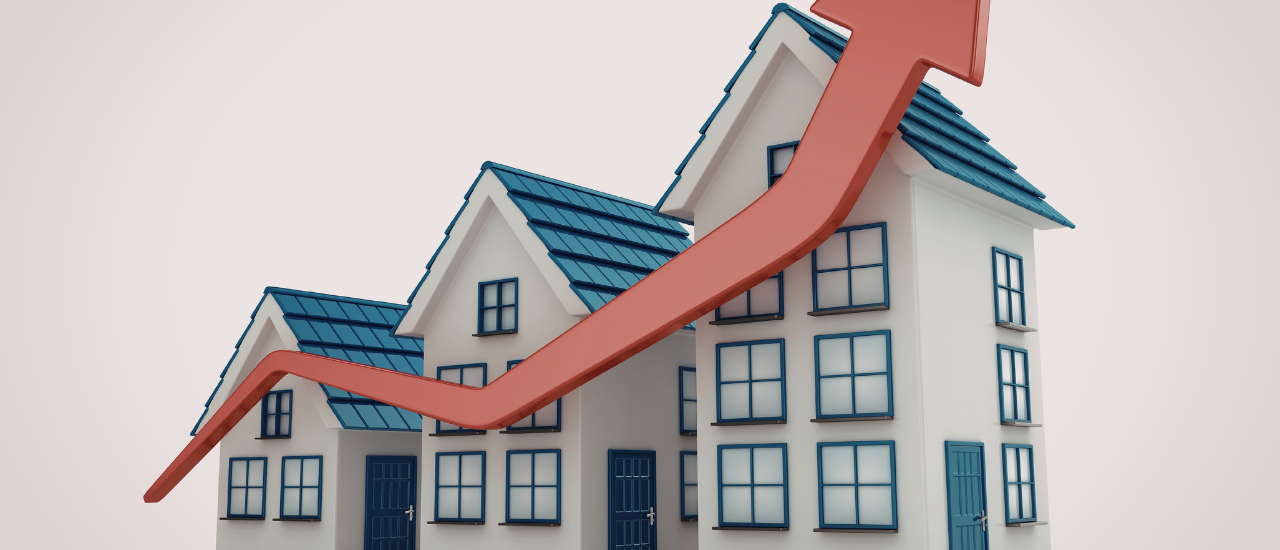
While growth may be more measured, the market is expected to enter 2026 with steady appreciation:
- Apartments with Moderate price growth expected due to new supply and expanding mid-market segments
- Villas with High demand continue to drive strong price performance.
- Luxury properties in Prime areas such as Palm Jumeirah and Dubai Hills are set to outperform, supported by high-net-worth buyers.
Rather than a correction, Dubai’s property market heads toward balanced growth, reflecting its long-term market resilience.
Impact of New Supply and Market Shifts
Dubai is scheduled to deliver 35,000+ residential units in 2025 and further completions in 2026.
- Increased secondary-market options give buyers more choice.
- Certain mid-market apartment clusters may experience temporary oversupply.
- Strong population growth and sustained foreign demand are expected to absorb much of this new inventory.
Areas like Dubai Creek Harbour are attracting both end users and investors, further strengthening the market as they continue to support prices in key locations.
Rental Market Outlook for 2026
Dubai remains a global property hotspot for rental income:
- Gross rental yields are expected to remain between 7% and 9%.
- Rental growth slows to healthier, sustainable levels.
- Emerging communities continue to attract yield-focused investors.
With tax-free property ownership and high rental demand, Dubai continues to outperform major cities like London and New York.
Foreign Investment Driving Demand
International buyers are a critical pillar of Dubai’s real estate sector:
Top investor nationalities:
- India
- United Kingdom
- Russia
- China
- Europe and GCC countries
Why they invest:
- Full property ownership in designated freehold areas
- No capital gains or rental income tax
- Residency incentives, including the 10-year Golden Visa
This maturing market ensures stability and liquidity even as global markets shift.
Mortgage Rates and Property Financing
As of late 2025:
- Mortgage interest rates: 4.5 to 5.5%
- Residents: Higher loan-to-value ratios available
- Non-residents: Typically require larger down payments
Despite slight global interest rate increases, strong rental yields often offset financing costs, keeping Dubai attractive for leveraged investors.
Infrastructure and Long-Term Growth
Major projects underpin long-term market growth:
- Metro expansions, new transport corridors, and road networks
- Dubai South and Al Maktoum International Airport development
- Tourism, waterfront, and mixed-use mega projects
- Smart city and sustainability initiatives
Properties near these developments historically hit the market with value appreciation of 15 to 25% within a few years.
Luxury vs Affordable Property in 2026
Luxury homes and branded residences are experiencing strong growth in 2026, driven by high demand from affluent buyers and international investors.
- Premium family communities continue to see high demand as families seek spacious homes in well-planned neighborhoods.
- Mid-market apartments remain stable, with growth sensitive to supply levels in certain areas.
- Affordable housing attracts consistent end-user demand, especially from first-time buyers and long-term residents.
- Investment studios remain popular among yield-focused investors due to their attractive rental returns and lower entry prices.
Luxury segments and prime villas continue to outperform, while affordable housing remains essential for rental yields and first-time buyer activity.
Risks to Consider
While the Dubai property market is promising, investors seeking secure returns should consider:
- Oversupply in some apartment clusters
- Short-term speculative strategies
- Choosing non-reputable developers
Mitigation includes focusing on strong locations, reputable developers, and long-term investment strategies.
Final Thoughts: Is Dubai’s Property Market a Smart Investment in 2026?
Dubai’s real estate 2026 outlook highlights a city with a structured and resilient property market. The emirate continues to offer consistent capital appreciation, making it attractive for long-term investors. Investors can benefit from high rental yields of 7% to 9%, which remain significantly above global averages. Dubai provides a tax-free investment environment, ensuring that profits from property ownership are not diminished by property or rental income taxes. The market is supported by strong legal protection, giving buyers confidence in their property rights. Additionally, property ownership in Dubai comes with residency benefits, offering long-term stability for investors and their families.
For investors seeking long-term value, income stability, and global diversification, Dubai’s property market is poised to be one of the most compelling destinations worldwide in 2026.
Frequently Asked Questions
Q1. Is the Dubai housing market still a good investment for investors seeking strong returns in 2026?
Yes. Strong capital appreciation, high rental yields, and government incentives make it highly attractive.
Q2. Will property prices crash in 2026?
A widespread crash is unlikely. Moderate growth is expected with some stabilization in certain apartment clusters.
Q3. Should I invest in villas or apartments in Dubai in 2026?
Both have advantages. Villas for long-term appreciation and limited supply; apartments for rental income and liquidity, even for off-plan properties.
Q4. Can foreigners buy property in Dubai?
Yes, in designated freehold areas, with full ownership and resale rights.
Q5. Will investing in property provide residency in the UAE?
Yes. AED 750,000 (approximately USD 203,000) or more for a 2 year Investor Visa; AED 2,000,000 (~USD 540,000) for the 10 year Golden Visa.
Q6. How much rental yield can a financer get?
Gross yields of 7 to 9% are standard, higher in emerging and affordable communities.
Q7. What areas will perform best in 2026?
Areas like Palm Jumeirah, Dubai Marina, Downtown Dubai, and Dubai Creek Harbour.
Q8. How are global and local factors impacting Dubai real estate?
Strong population growth, economic diversification, infrastructure, and international financial demand continue to support prices, even as global economic shifts occur.
Q9. Will off-plan properties be a good investment in Dubai for 2026?
Yes. Off-plan properties offer lower entry prices, flexible payment plans, and potential capital appreciation. They are particularly attractive in emerging communities developed by reputable developers.
Q10. How will Dubai’s new property supply affect resale prices in 2026?
While a new supply of 35,000+ units may moderate price growth in some mid-market areas, prime locations and luxury homes, like in Palm Jumeirah, are expected to maintain strong demand and stable resale values.
Q11. Which areas are expected to outperform in Dubai’s property market in 2026?
Prime locations such as Dubai Creek Harbour, Palm Jumeirah, and Downtown Dubai are expected to outperform due to strong demand, infrastructure developments, and limited supply.
Q12. How does Dubai’s population growth affect the real estate market in 2026?
Dubai’s population growth continues to drive demand for residential properties, rental income, and overall market resilience, supporting prices even amid market shifts or minor corrections.